
When it comes to building a raised garden bed in South Africa, choosing the right materials for the top layer is crucial for the health and productivity of your plants. The top layer should be a combination of nutrient-rich soil, compost, and mulch.

Here’s why each of these materials is important, and how to use them in your raised garden bed.
Topsoil
The top layer of a raised garden bed should consist of high-quality topsoil. This is the layer that your plants will be growing in, so it’s important to choose a soil that is well-draining, nutrient-rich, and free of contaminants like pesticides and heavy metals.
Look for a soil mix that is specifically designed for raised garden beds, or create your own mix by combining equal parts garden soil, compost, and vermiculite or perlite.
Compost
Compost is a valuable addition to any raised garden bed. It adds nutrients to the soil, improves drainage, and helps retain moisture. Mix in a layer of compost with your topsoil to provide your plants with the nutrients they need to thrive. You can use homemade compost, or purchase a high-quality compost from a garden center in South Africa.
Mulch
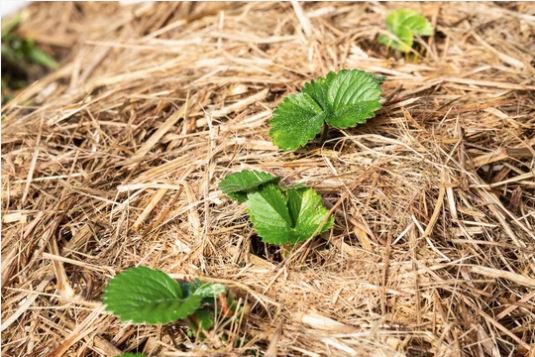
Once you’ve added your topsoil and compost, it’s a good idea to cover the surface of the bed with a layer of mulch. Mulch helps to retain moisture in the soil, suppress weeds, and regulate soil temperature.
Choose a mulch that is organic and free of chemicals, such as straw, leaves, or wood chips. Spread a layer of mulch over the top of your raised garden bed, taking care to keep it away from the stems of your plants.
In conclusion, the top layer of a raised garden bed should consist of a combination of nutrient-rich topsoil, compost, and mulch. The topsoil provides a healthy foundation for your plants, while the compost adds valuable nutrients and improves drainage.
The mulch helps to regulate soil temperature, retain moisture, and suppress weeds. By using these materials in your raised garden bed, you can create a healthy and productive growing environment for your plants.