
Raised garden beds and planter boxes are both popular options for growing plants, but there are some key differences between the two.
Raised Garden Beds
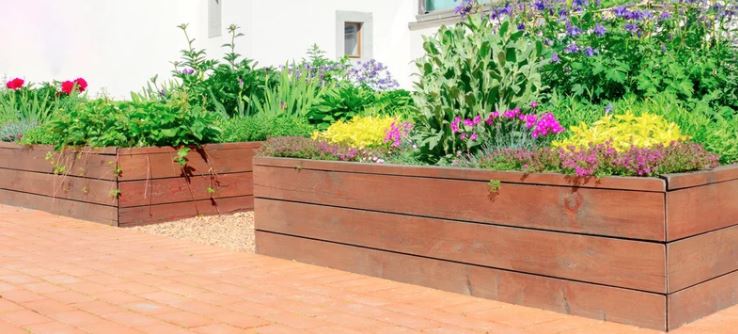
Raised garden beds are typically constructed without a bottom and are filled with soil. They are designed to be placed directly on the ground, making them ideal for use in areas with poor soil quality or drainage issues.
Raised garden beds can be made from a variety of materials, such as wood, metal, or stone, and can be customized to fit any size or shape.
One of the main advantages of raised garden beds is that they provide better drainage than planter boxes. Because they are placed directly on the ground, excess water can drain away more easily, preventing waterlogging and root rot.
Raised garden beds also provide a more natural environment for plants, as they allow for beneficial microorganisms to thrive in the soil.
Planter Boxes
Planter boxes, on the other hand, are typically made with a solid bottom and are designed to be used on patios, balconies, or other areas where there is no soil.
They are often smaller than raised garden beds and are ideal for growing plants in confined spaces. Planter boxes can be made from a variety of materials, such as wood, plastic, or metal, and can be customized to fit any size or shape.
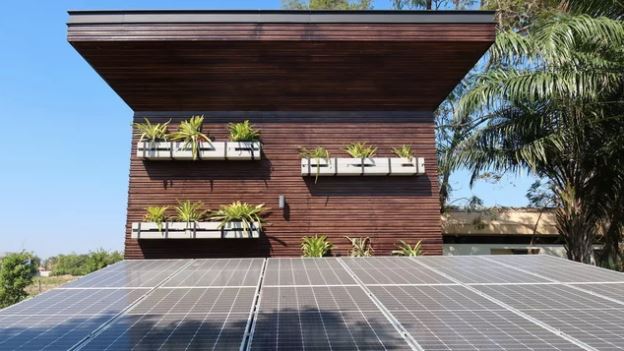
Planter boxes, on the other hand, offer greater flexibility in terms of placement. They can be moved around as needed, making them ideal for growing plants in areas with limited space or sunlight.
Planter boxes also provide better protection against pests, as they are less accessible to ground-dwelling insects and rodents.
In conclusion, both raised garden beds and planter boxes offer unique benefits and are suitable for different growing environments.
Raised garden beds are ideal for improving soil quality and drainage, while planter boxes are more flexible and offer better pest protection. Ultimately, the choice between the two will depend on your individual needs and growing conditions.